Common Gate Installation Mistakes and How They Show Up

Most gate installation mistakes in Georgetown, TX show up within a year, and each one leaves a recognizable sign. A gate that drags on the pavement, a bolt that misses its keeper, a leaf that swings shut on its own or a post that leans all point back to a specific error made on install day. Reading those signs is how a technician finds the cause instead of adjusting around it, and it is how an owner can tell a small fix from a rebuild.
Why does a new gate drag on the ground?
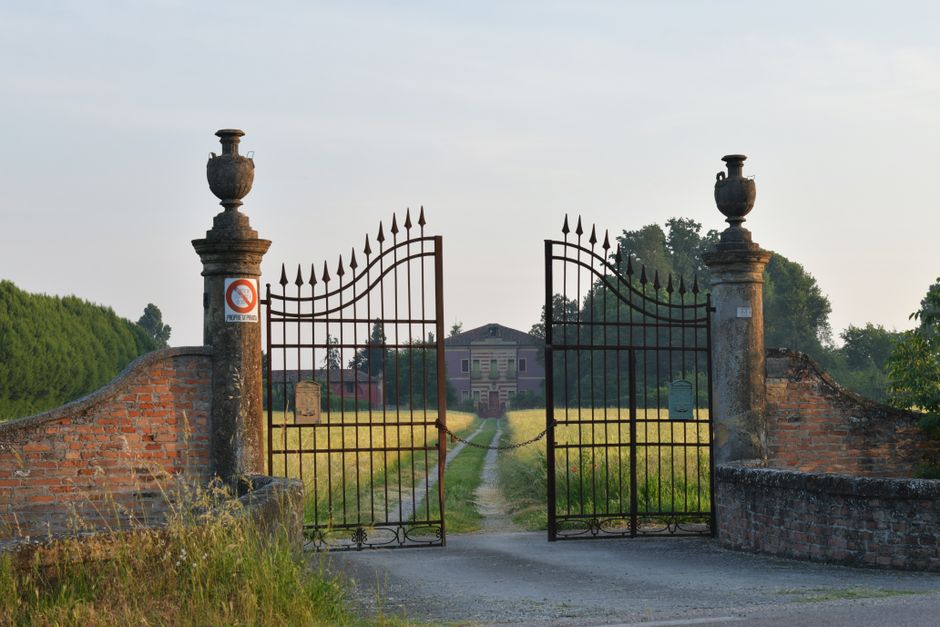
A gate that drags has lost height at the free end. The usual cause is a hinge post that was set too shallow or not braced during the pour, so it leaned under the weight of the leaf. The other cause is a clearance that was set for a flat drive when the drive actually rises across the arc. The first problem is a footing problem and the second is a layout problem, and the fix is different for each.
A quick test separates them. If the gap under the bottom rail is even when the gate is closed and shrinks as it swings open, the drive is rising. If the gap is wrong in every position, the post has moved.
Why does the latch miss the keeper?

A latch that misses is the symptom, not the cause. A post that settled in clay, a hinge that wore oval and a leaf that sagged all move the bolt away from the keeper. Adjusting the keeper hides the movement for a season, and then the bolt misses again. The honest fix is to find what moved, correct it and then set the keeper with a quarter inch of play for heat and cold.
What causes a leaf to swing on its own?
A leaf that swings open or shut without a push has a hinge line that leans. The two hinges are not on the same vertical line, so gravity turns the gate toward the low side. The error is a few degrees, and it is easy to make when the posts are not plumb on both faces. A plumb bob or a laser checked on the hinge pins during hanging prevents the mistake.
How do early loads damage a footing?
Hanging the leaf before the concrete cures is the most common shortcut, and it is the hardest to see. The footing looks hard, the post holds, and the gate works for a few weeks. Then the clay swells after a rain, the post shifts a quarter inch, and the leaf begins to drag. By then the cure is long over, and the cause is hard to prove. Waiting seven days costs nothing, and it removes that risk entirely.
What goes wrong with the concrete itself?
Concrete mixed too wet is weaker, and a footing with no crown holds water against the steel. A post with no gravel base sits in standing water and rusts at the ground line. A footing poured around a post that was not braced settles to one side. In limestone soil, a hole that was drilled shallow without epoxy pins gives a post that rocks. Each of these is avoidable with a stiff mix, a crown, a gravel base, braces and the right depth.
Which hardware choices cause trouble?
Hinges that are too light for the leaf wear oval, and a worn hinge lets the gate sag. Latches with no play bind in winter and miss in summer. A drop rod with no drain packs with dust and mud. An operator mounted on a post that flexes will drift out of adjustment in a month. Matching hardware to the weight and the climate costs little at the start and a great deal later.
What about the finish?
Welding after finishing, drilling a hole in a coated frame and cutting a post to length all burn or break the finish. Every one of those spots needs a zinc-rich primer and a topcoat the same day. A gate with bare steel at the welds starts to rust at those spots first, and the rust spreads under the coating. Galvanized and powder coat finishes are only as good as the repair at each cut and weld.
How can an owner spot a problem early?
A walk around the gate each season catches most of these. The owner looks at the bottom rail for scrape marks, at the hinges for rust or wear, at the latch for scuffs on the keeper, and at the posts for any lean or crack in the concrete. Photos taken on install day make a useful comparison. A change of even a quarter inch is worth a service call.
The same walk is worth repeating after a hard freeze, a long dry spell or a week of heavy rain, since the ground moves most when its moisture changes. Clay shrinks as it dries and swells as it wets, and a footing that was set well can still take a small shift over a season. Catching a half inch of drop in the spring costs a shim and an adjusted keeper. Catching it in the fall, after the latch has been forced for months, costs a new hinge and sometimes a realigned post. Short, regular looks are cheaper than any repair.
Frequently asked questions
Can a leaning post be fixed without replacing it?
A post that leans a little can sometimes be pulled back with the footing exposed and braced, but a post that leans because the footing is too small needs a new footing. The crew digs out the old concrete, resets the post plumb and pours a larger base. The gate comes off during the work and goes back on once the new concrete has cured.
Is a sagging gate always a hinge problem?
No. A sagging gate can be a worn hinge, a moved post or a frame that flexes because it lacks a diagonal brace. The check is to lift the free end by hand. If the leaf springs back and the hinge pin is loose, the hinge is worn. If the post moves with it, the footing has shifted. If the frame twists, the frame needs bracing.
How soon after install should a gate be checked?
A check at thirty days and again after the first rainy season catches settling early. Clay around the San Gabriel River moves the most, and a gate on clay gets a second look after the first wet spring. A gate on limestone soil usually holds its numbers from day one.
Does a gate opener hide a bad installation?
An operator can mask a drag for a while by pushing harder, but it wears fast against friction and eventually trips its force limit. A gate that opens slowly or hums before it moves is telling the owner that the leaf or the posts need attention.
What is the short answer?
Every common mistake leaves a sign, and each sign points to a step on install day. Set the posts deep and plumb, wait for the cure, hang the hinges on one line and leave the latch some play.